
The Fourth Turning
Everything Comes Back Around

Ever feel like you're living through a season finale of a TV show that went way over budget? You're not wrong. According to a theory called the Fourth Turning, society moves in predictable cycles, and we've just landed in the chaotic, climactic final act. This isn't just trivia for history buffs; it's a cheat code for understanding why your investments are behaving so strangely—and how emerging forces like AI are supercharging the turmoil.

The Four Seasons of History 🍂❄️🌷☀️
Authors William Strauss and Neil Howe introduced this concept in their 1997 book, "The Fourth Turning." They describe history as a cycle with four distinct "turnings," each lasting about 20-25 years, much like the seasons of a year.
First Turning (The High): An era of stability and collective progress, like a pleasant summer. Institutions are strong, and individualism is low. Think of the post-WWII boom in America (1946-1964), when economic growth soared and trust in government was at its peak.
Second Turning (The Awakening): A time of spiritual and social upheaval, like an autumn harvest of new ideas. People begin to question the established order, leading to cultural and religious movements. Think of the consciousness revolution of the mid-1960s to the early 1980s, with civil rights and counterculture reshaping society.
Third Turning (The Unraveling): An era of strengthening individualism and weakening institutions, like a chilly winter. Trust in government and other establishments declines, and culture often feels fragmented. Think of the 1980s through the late 2000s, marked by deregulation, scandals, and rising inequality.
Fourth Turning (The Crisis): A decisive era of secular upheaval, like a harsh, transformative winter. Society is forced to confront major threats, old institutions are torn down, and new ones are built. The previous Fourth Turning included the Great Depression and World War II. According to the theory, we entered our current Fourth Turning around 2008. This cycle, amplified by global events like the 2008 financial crash, COVID-19, and geopolitical tensions, is projected to peak around 2030, ushering in a new "High" era.
Financial Impact of the Crisis Period
For a beginner investor, understanding the dynamics of a Fourth Turning is crucial because it changes the rules of the game. The stability and predictable growth of past decades are no longer guaranteed. Increased Volatility and Risk Fourth Turnings are defined by instability. Expect wild swings in the stock market, geopolitical shocks, and a general feeling of uncertainty. Assets that seem safe one day can become risky the next. This isn't a time for a "set it and forget it" mentality. A Shift to Hard Assets during a time of crisis as confidence in traditional financial instruments (stocks, bonds, currencies) often wanes. People tend to move their wealth toward tangible or "hard" assets. These include:
Precious Metals: Gold and silver are classic safe havens during turmoil.
Real Estate: Land and property can provide tangible value.
Commodities: Resources like oil, copper, and agricultural products become critical as supply chains are disrupted.
Bitcoin: While crypto is a new asset class. Bitcoin can be viewed as Gold 2.0 and should have a place in your portfolio
Government Intervention and Debt
Governments respond to crises with massive intervention, including huge spending packages, stimulus checks, and bailouts. This leads to skyrocketing national debt and can fuel inflation, which erodes the purchasing power of your cash and the "real" return on your investments. The value of the dollar ($) itself becomes a key factor to watch, as U.S. debt hits $35 trillion in 2025.
The AI Revolution: A Double-Edged Sword in the Fourth Turning Adding fuel to this crisis fire is the explosive rise of AI and robotics, which Strauss and Howe couldn't fully foresee but fits the theory's disruptive pattern. AI is reshaping everything—from jobs to economies—accelerating the Turning's upheaval.
Impact of AI
Job Displacement and Inequality: AI could automate 300 million jobs globally by 2030, hitting low-skill sectors hardest and widening the wealth gap—a classic Crisis amplifier, sparking social unrest like we've seen in tech-driven layoffs (e.g., 2023–2025 waves at Google, Amazon).
Economic Volatility: AI boosts productivity, potentially adding $15.7 trillion to global GDP by 2030. But this can causes short-term shocks, like supply chain disruptions from automated factories or misinformation via deepfakes fueling market panics.
Geopolitical Tensions: Nations race for AI dominance (e.g., U.S.-China chip wars), echoing WWII-era tech arms races. This could trigger cyber threats or trade wars, spiking volatility in tech stocks and commodities.
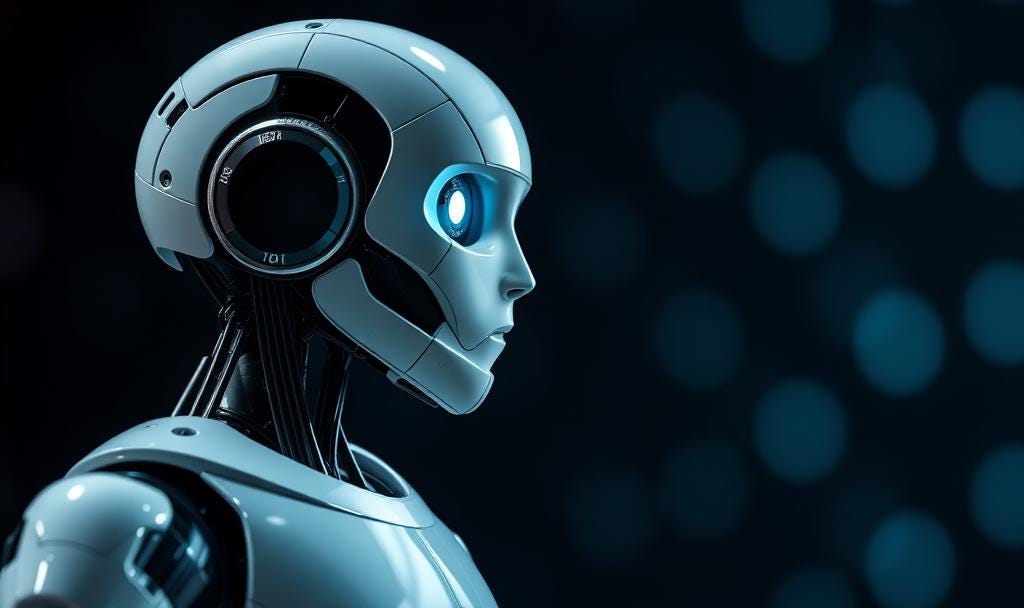
Yet, AI does have a lot of upside. It could resolve Crisis-era problems like aging populations (via robotics in healthcare) or resource scarcity (AI-optimized energy). In the Fourth Turning, such innovations often emerge as "hero" solutions, paving the way for the next High era.
How to Invest in a Fourth Turning
How to Invest in a Fourth Turning Navigating this period doesn't mean you should run for the hills. It means you need to be strategic and resilient.
Diversify, Diversify, Diversify!
This is the golden rule, but it's especially true now. Your portfolio shouldn't be 100% in tech stocks. A well-diversified portfolio might include a mix of U.S. and international stocks, real estate, commodities/gold, and Bitcoin instead of bonds. Why ditch bonds? They've delivered terrible returns over the past 5 years (2020–2025). The Bloomberg U.S. Aggregate Bond Index averaged negative 1–2% annualized returns since 2020. Meanwhile, Bitcoin surged ~923%, acting as "digital gold" with its fixed supply hedging inflation better than bonds' fixed yields.
Focus on Real Value and Necessity
Think about investing in what people need, not just what they want. Think about companies that produce real things and have strong pricing power (they can raise prices without losing customers).
Consumer Staples: Food, household goods, and other necessities.
Energy: The world will always need energy. Even more so in the world of AI and Data centers.
Healthcare: People will always prioritize their health.
Defense & Infrastructure: These sectors often see increased government spending during a crisis.
AI and Robotics
The AI revolution is a defining force in this Fourth Turning, disrupting old systems but birthing new ones. As robots and algorithms reshape labor, focus here for explosive growth post-crisis. Optimal investments: AI stocks like NVDA (up 1,000% since 2020) or robotics firms (e.g., iRobot or Intuitive Surgical). ETFs like ROBO (Global Robotics & Automation) or BOTZ have returned 15–20% annually. Why prioritize? AI could curb inflation by boosting productivity. Goldman Sachs 2025 forecast predicts a 1–2% GDP lift from AI. Don’t be tardy to the party, early investors reap the rewards—much like post-WWII booms in autos/tech.
Keep a Long-Term Perspective
The goal is to make it through the winter to the new spring (the next First Turning). Don't panic-sell during market crashes, these are buying opportunities. Fourth Turnings are destructive, but they are also creative. To quote Little Finger from Game of Thrones, “Chaos is a ladder." They clear out the old system to make way for a new one, which will bring its own incredible opportunities for growth. The fortunes of the next era are often built during the turmoil of the crisis. Stay informed, be patient, and invest wisely.
Disclaimer: This article is for educational and entertainment purposes only. I am not a financial advisor, and this is not financial advice. Please consult with a licensed professional before making any investment decisions.